Food Pantry Volunteering in Mill Hall, PA
How to volunteer at the Mill Hall food pantry: who it serves, the 2nd and 4th Wednesday schedule, and how to sign up. No experience needed.
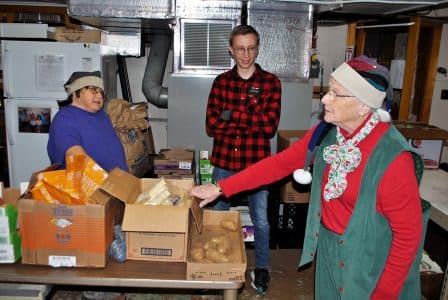
The busiest days at a Mill Hall food pantry are not always the ones you would expect. Boxes have to be sorted, bags have to be packed, and cars have to be loaded, usually in a couple of focused hours. If you have been thinking about helping neighbors who are short on groceries, the food pantry is one of the most direct ways to do it in this part of Clinton County.
Where can I volunteer at a food pantry in Mill Hall?
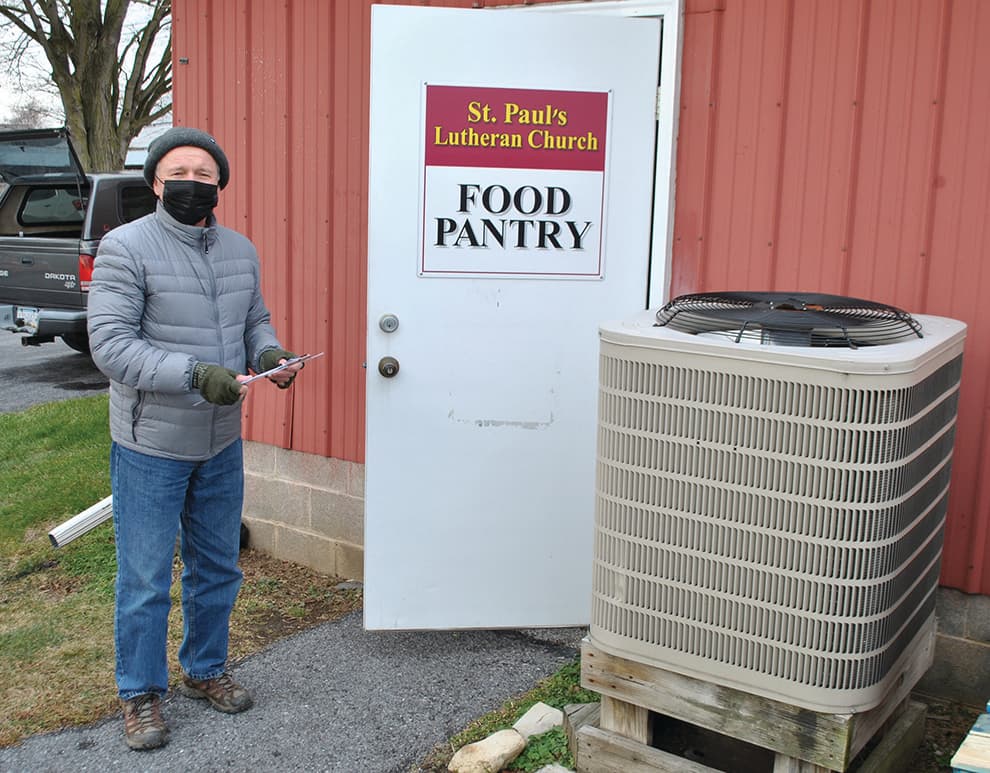
The main option in town is the St. Paul Lutheran Church Food Pantry at 6220 Nittany Valley Drive, about a mile north of the Interstate 80 interchange on Route 64. It serves residents of Mill Hall, Lamar Township, and Porter Township, runs food distributions twice a month, and leans on volunteers to sort, pack, and hand out food. You do not need any experience to help.
The food comes from a mix of sources. In a December 2021 story in The Express, co-administrator Betsy Tompkins described the pantry as a partnering agency of the Central Pennsylvania Food Bank and listed the local suppliers: Weis Markets, smaller shops like Mark's Meats and Ingram's Market, and a good amount of food from Amish and local farms. Because the church draws from the three surrounding townships, the people you help are almost always neighbors: someone from down the road in Lamar, a senior in Porter Township, a family a few blocks over in Mill Hall itself. If you want to see how this fits with the bigger picture, our full Mill Hall volunteering guide covers the other ways to pitch in around town.
How much need is there in a town this size?
Quite a bit. Mill Hall borough has about 1,479 residents, but the pantry's reach across three townships goes well past the borough line, and the rolls grew during the pandemic years. Registrations climbed to around 250 individuals over the first pandemic year, and while the rolls had eased a little by the time The Express visited in December 2021, they were still above where they stood before the pandemic. A typical second-Wednesday distribution saw 40 to 48 people come through. Tompkins put the volume in plainer terms: a distribution moves thousands of pounds of food. For a volunteer, that translates into a full morning of keeping boxes packed and the line of cars moving.
Two details say a lot about how the pantry operates. Nobody has to prove they qualify; The Express's current listing of area pantries notes that no documentation is required. And the crew packs around real dietary needs, setting aside gluten-free items for people with celiac disease along with no-salt and sugar-free options. Volunteers have even delivered food to residents who could not get to the church. Tompkins summed up the approach in that story with two words: "kindness matters."
What do food pantry volunteers actually do?
Most of the work is straightforward and physical. Volunteers unload deliveries, sort items onto shelves or into categories, pack boxes and bags to a set list, and then help load everything into cars on distribution day. The car loading is a bigger part of the job than it sounds. The pantry switched to curbside distribution in spring 2020 when COVID arrived, so patrons pull up and volunteers carry the boxes and bags out to them. Some people also help patrons choose items or manage the flow at the door. Drives that collect extra food need hands too.
None of this requires training. If you can lift a box of canned goods, follow a packing list, and be friendly with the people coming through, you can do the job. Shifts tend to be short and clustered around the distribution days, so this is a good fit if you cannot commit to something every week. A retiree, a high schooler needing service hours, a small church group, or a couple of coworkers on a day off all work fine here. If food is not your thing, volunteer fire and EMS roles in Mill Hall are another way locals give a few hours.
When is the food pantry open, and when should I show up?
Distributions happen on the second and fourth Wednesday of the month, from 9 to 11 a.m. December is the one exception: the pantry holds a single distribution that month, on the second Wednesday. Those Wednesdays are when volunteers are needed most, since that is when the food gets packed and handed out. The distribution The Express covered in 2021 started promptly at 9 a.m., so the setup work happens earlier; whether they want you there early or the day before for sorting is exactly the kind of thing to ask when you call.
Because a church runs the pantry and volunteer needs shift week to week, the smartest move is to contact St. Paul Lutheran Church directly and ask what they need help with and when to arrive. We are a directory, not a middleman, so we point you to the organization and let you set it up with them. That way you get accurate times, you know whether they want you for sorting or for the distribution itself, and nobody is guessing.
How do I sign up to volunteer?
Reach out to the pantry directly and tell them you would like to help. The church's listed numbers are 5707487932 and 5707267460, and a quick call is enough to get started. They can tell you which of the two monthly distributions has room and what to expect. There is no application fee and nothing to pay, ever. Volunteer Clinton County is free to use and always will be.
If the pantry is full up on volunteers for the month, do not stop there. You can browse current openings across the county to find another spot that needs hands. Food work in particular tends to have steady demand, and food pantry volunteering across the county points you to pantries beyond Mill Hall if you are willing to drive a little.
What if I want to help somewhere other than Mill Hall?
Mill Hall sits close to several towns, so you are not limited to one pantry. Just up the road is the county seat of Lock Haven, where The Express's pantry roundup lists The Haven Cupboard and a Salvation Army location, and the Good Neighbor Center serves Renovo farther up the river. Plenty of people split their time or simply go where the need is greatest in a given week. If delivering meals appeals to you more than packing boxes, senior center and Meals on Wheels volunteering in Mill Hall is the other food-focused way to help without leaving town.
To see what is posted right now near home, check the volunteer opportunities in Mill Hall page, which pulls together listings for the immediate area. And if you are weighing food pantry work against everything else out there, our overview of volunteering across Clinton County lays out the range, from libraries and schools to civic groups and emergency services.
Frequently asked questions
Do I need experience to volunteer at the Mill Hall food pantry?
No. The St. Paul Lutheran Church Food Pantry welcomes volunteers with no experience. The work is sorting food, packing boxes and bags, staffing distribution, and helping with drives. If you can lift a box and follow a simple packing list, you can help. Contact the church directly to find out which distribution day needs you.
When does the Mill Hall food pantry distribute food?
The St. Paul Lutheran Church Food Pantry holds distributions on the second and fourth Wednesday of each month, from 9 to 11 a.m. In December there is a single distribution, on the second Wednesday. Those days are when volunteers are needed most, since food gets packed and handed out then. Contact the pantry directly to confirm the current schedule and to ask when they would like you to arrive.
Do people need paperwork or proof of income to get food?
No. The pantry does not require documentation, according to The Express's listing of area food pantries. Anyone who needs food, or knows someone who does, can call the church at 5707487932 or 5707267460 at any time to ask about assistance.
Does it cost anything to volunteer through Volunteer Clinton County?
No. Volunteer Clinton County is a free community directory, and it always will be. There are no fees, no premium tiers, and nothing to pay to find or sign up for a volunteer role. We list opportunities and connect you to the organization. You arrange the details, like your first shift, directly with the pantry.